Frequently Asked
Questions
Baseline assessments for heart, kidney, brain, and endocrine function are especially important.
• It is recommended that every individual diagnosed with a KAT6 gene variant should see a cardiologist to rule out any structural heart problems.
• Monitoring weight gain in infancy is important. Feeding difficulties and reflux are common and may need significant medical support by a gastroenterologist. Your gastroenterologist can also help manage constipation, which is a common feature.
• It is also important to have vision assessed by a specialist and monitored yearly since eye problems occur in the majority of known cases.
• If your child experiences recurrent infections, discuss with your providers an immunology workup.
• KAT6B patients should have kidney and thyroid function tested.
• Consider undergoing a sleep study if signs of sleep apnea or sleep dysfunction.
• Other tests to consider include an abdominal ultrasound, audiology evaluation, and brain MRI. Discuss these tests with your child’s pediatrician or geneticist.
There are currently no approved therapies specifically for treating KAT6 syndrome, however some treatments may help specific symptoms. Doctors treat symptoms individually, such as constipation, acid reflux, behavioral issues, seizures, or sleep disturbances.
Many parents have observed benefits from vitamins and supplements including:
• L-carnitine
• Pantothenic acid (B-5)
• Coenzyme Q10
• Vitamin E
• Vitamin C
• Cytra-3
• Others
More information on mitochondrial treatment can be found in Richard I Kelley’s GI Webinar and in his 2023 conference presentation, Treatment of Metabolic Abnormalities in KAT6A and KAT6B Syndromes. It is essential to consult your child’s physician before starting anything new.
Families usually start with a pediatrician or geneticist who oversees early needs and makes referrals.
Common specialists may include:
• Geneticist – explains the diagnosis, reviews your child’s genetic report, and guides long-term care.
• Developmental pediatrician – monitors milestones and coordinates referrals.
• Neurologist – evaluates muscle tone, seizures, and other nervous system concerns.
• Gastroenterologist (GI) – manages feeding issues, reflux, and constipation.
• Cardiologist – checks for heart differences.
• Endocrinologist – monitors growth, thyroid, and hormone development.
• Ophthalmologist and audiologist – assess vision and hearing.
• Orthopedist and orthotist – evaluate bones and joints and provides supportive devices if needed.
• Ear, nose, and throat specialist (ENT) – addresses airway concerns, ear infections, hearing, and swallowing or breathing difficulties.
• Nutritionist, feeding therapist, or dietitian – support feeding and healthy growth.
• Dentist – monitors oral health, tooth development, and dental issues.
Your child’s care team may change over time as your child grows and develops.
Dr. Richard I Kelley, MD, PhD, describes different treatments for GI issues in KAT6A and KAT6B in his webinar available on the KAT6 Foundation YouTube channel. In some cases supplements such as Cytra-3, l-carnitine and vitamin B5 can lead to significant improvements in your child’s GI pain. You can discuss these options with your child’s medical doctor.
Many children with KAT6 do learn to walk, though it often happens later than their peers. Others may move differently by using assistive equipment, wheelchairs, or alternative ways of getting around. Your child may need physical therapy or other supports to build strength and balance. Progress may come slowly, but with consistent therapy, encouragement, and patience, your child will continue to gain new skills and confidence in their own time.
Most individuals with KAT6 syndromes experience language delays, but abilities vary widely. Some children may be nonspeaking and communicate using signs, gestures, or adaptive technology, while others may become verbal teens or adults despite early delays. Many parents report that their children understand more than they can express. It’s important to support your child’s communication in all forms and maintain high expectations for their potential.
Many children with KAT6 are nonspeaking or have limited verbal language, but that doesn’t mean they can’t communicate. Speech therapy and alternative communication methods can help your child express their thoughts and connect with others. Tools such as sign language, picture boards, or speech-generating devices (known as augmentative and alternative communication, or AAC) give children a voice in their own way. It’s important to model and encourage all forms of communication: gestures, facial expressions, or technology, and to celebrate every success.
Children with KAT6 often experience developmental delays and learning differences. With early intervention, individualized education plans (IEPs), and therapy, your child can make meaningful academic progress. Every child’s strengths and challenges are unique, so learning approaches and supports should be tailored to your child’s individual needs. School supports may include classroom accommodations, a 1:1 aide, smaller learning environments, inclusive settings with supports in place, or specialized schools.
Early intervention and ongoing therapy can make a meaningful difference for children diagnosed with KAT6A or KAT6B. Because every child is unique, therapy plans should be individualized based on specific strengths and challenges.
Common therapies may include:
• Physical therapy (PT)
Supports gross motor development, which is often delayed due to low muscle tone, motor planning difficulties, and coordination challenges.
• Occupational therapy (OT)
Focuses on fine motor skills and daily living activities such as feeding, dressing, and handwriting.
• Speech and language therapy
Addresses speech production, receptive language, expressive communication, and alternative communication methods such as signs or augmentative devices. Many children have childhood apraxia of speech, which affects motor planning for speech. PROMPT therapy is often recommended for children with apraxia.
• Feeding therapy
Helps children who experience feeding difficulties related to hypotonia, reflux, oral motor delays, or structural differences. Some children may require temporary or long term feeding tube support.
• Applied Behavior Analysis (ABA)
May support behavior regulation, executive functioning, communication, and adaptive skills.
• Orthopedic care and orthotics
Orthopedic evaluation may be helpful for children with contractures, clubfoot, scoliosis, or significant hypotonia. Some children benefit from specialized braces or orthotics to improve mobility and alignment.
• Vision services
Vision therapy or support services may benefit children diagnosed with cortical visual impairment (CVI) or strabismus.
Some families also explore complementary therapies such as aquatic therapy, music therapy, hippotherapy, sensory integration therapy, biofeedback, and other supportive approaches.
Your child’s care team can help determine which therapies are most appropriate at each stage of development.
Parents should consult with a geneticist to understand their individual likelihood and any considerations regarding future pregnancies. Most KAT6 gene changes occur for the first time in the affected child and are not inherited from either parent. In these cases, the chance of having another child with the same genetic change is low, estimated at about 2%.
In rare situations, a parent may carry the genetic change in a small number of their reproductive cells, a condition known as germline mosaicism, which can increase the chance of recurrence. Very rarely, a parent may have the KAT6 variant in all of their cells and be able to pass it on in an inherited pattern. In those cases, each child has a 50% chance of inheriting the condition.
The KAT6 Foundation is actively collecting data through the KAT6 Patient Registry to study long-term outcomes. As of 2025, the oldest known individual with KAT6A is in their 50s, and the oldest with KAT6B is in their 40s. Because KAT6 is very rare and only recently recognized, most diagnosed individuals are children, so only a small number of adults have been identified. Ongoing research will continue to improve our understanding of health, longevity, and how the syndromes progress over time.
As of 2026, fewer than 1,000 people worldwide have been diagnosed with a KAT6A or KAT6B variant. Based on a global population of more than 8 billion, this places KAT6 among the ultra-rare conditions, with a prevalence of roughly 1 in 10 million people. The true number is likely higher, since genetic testing systems and medical institutions do not share data across countries. The most reliable way we track our community is through the KAT6 Patient Registry, which includes more than 550 individuals and continues to grow as awareness and testing improve.
Until recently, identifying KAT6 variants required comprehensive genetic testing that was often expensive and not widely available. Today, these tests are more commonly covered by insurance, and KAT6 variants are included in more targeted testing panels, making genetic testing faster and more accessible for families.
The main testing options include:
• Whole Exome Sequencing (WES): Sequences all coding regions (exons) of the genome, which contain most disease-causing variants.
• Whole Genome Sequencing (WGS): Sequences the entire genome, including coding and non-coding regions, making it the most comprehensive option.
• Intellectual Disability Next-Generation Sequencing (ID NGS) Panel: A targeted panel that includes KAT6 variants, often faster, more accessible, and more likely to be approved by insurance as an initial step.
Availability of testing may vary by country, so families should check local options.
In most individuals, a variant in KAT6A or KAT6B occurs de novo, meaning it is new in the child and was not inherited from either parent. These changes typically happen by chance during the formation of the egg or sperm, or very early after fertilization. Less commonly, a variant may be inherited from a parent. In these cases, the parent may have mild or previously unrecognized features. Importantly, KAT6 variants are not caused by anything a parent did or did not do during pregnancy. They are spontaneous genetic changes that occur naturally in human reproduction.
KAT6A and KAT6B are closely related proteins. They are members of the MYST family of histone acetyltransferases, and have similar structure and amino-acid sequence identity. KAT6A and KAT6B genes are known as epigenetic regulator genes such that they open our DNA to make the right genes available at the right time for our bodies to function properly. Like thread in a spool, the DNA inside our cells is tightly wrapped. The timing of when our DNA becomes unraveled, to allow our genes to perform their function at the right time, is critical to their development. Therefore, KAT6 genes do not just serve one small role, rather, they control the function of a wide variety of genes across our chromosomes.
The best way to support KAT6 research is by joining the KAT6 Patient Registry, which collects valuable information from KAT6 caregivers to help scientists better understand KAT6A and KAT6B syndromes. You can also contribute biospecimens to the KAT6A and KAT6B iPSC Bank at Boston University.
We are looking for volunteers to help on various committees of the foundation. Please contact us and we can put you in touch with the foundation leaders. Our greatest need is in planning fundraising events and connecting with potential corporate donors. We are also looking for individuals experienced in writing grants so that we can continue to drive KAT6 research. We hope that you will spread the word about the KAT6 Foundation to help raise awareness that could potentially lead to more diagnoses and greater inclusion and acceptance of KAT6 individuals.
Learn more about volunteer opportunities.
Your child may be eligible for government-supported healthcare or financial assistance related to disability, even if your family doesn’t meet income requirements. Many countries offer programs that help cover medical care, therapy, equipment, and support services for children with genetic or developmental conditions. To learn what’s available where you live, you can contact your child’s healthcare team, a hospital social worker, or your local government or disability services office. They can guide you to benefits your child may qualify for and help you apply.
Individuals have been identified in at least 70 different countries including:
Albania, Argentina, Australia, Austria, Belarus, Belgium, Bermuda, Brazil, Bulgaria, Canada, Chile, China, Cuba, Croatia, Cyprus, Czech Republic, Denmark, Dominican Republic, Ecuador, Egypt, England, Estonia, Fiji, Finland, France, Georgia, Germany, Greece, Haiti, Hungary, India, Iraq, Ireland, Israel, Italy, Japan, Jordan, Kuwait, Lebanon, Lithuania, Malaysia, Mexico, Morocco, Netherlands, New Zealand, Northern Ireland, Norway, Philippines, Poland, Portugal, Puerto Rico, Qatar, Romania, Russia, Samoa, Saudi Arabia, Scotland, Serbia, Singapore, Slovakia, Spain, Sweden, Switzerland, Syria, Taiwan, Turkey, Ukraine, United Arab Emirates, United States, and Venezuela.
You can communicate with others through Facebook support groups and international WhatsApp groups. The KAT6 Foundation offers translated materials and can provide additional resources on request.
You can also join the KAT6 Foundation’s family map to connect with others nearby. Join the map.
Yes, we have the KAT6A & KAT6B Caregiver handbook, and Empowered Grants application translated into numerous languages.
In 2022, the Board of Directors approved changing the organization’s name from the KAT6A Foundation to the KAT6 Foundation.
The name “KAT6” reflects both the KAT6A and KAT6B genes. These genes are epigenetic regulators, meaning they help control how DNA is accessed so the right genes are available at the right time for the body to function and develop properly.
Individuals diagnosed with KAT6A and KAT6B syndromes share many overlapping features and challenges. Over time, our communities have increasingly shared information, supported one another, and collaborated in meaningful ways. Bringing both groups together under one foundation allows us to streamline resources, strengthen advocacy efforts, and support research more effectively.
Today, the KAT6 Foundation is devoted to supporting families affected by both KAT6A and KAT6B syndromes through research, education, and community connection.
EVENTS
Upcoming events from the KAT6 Foundation
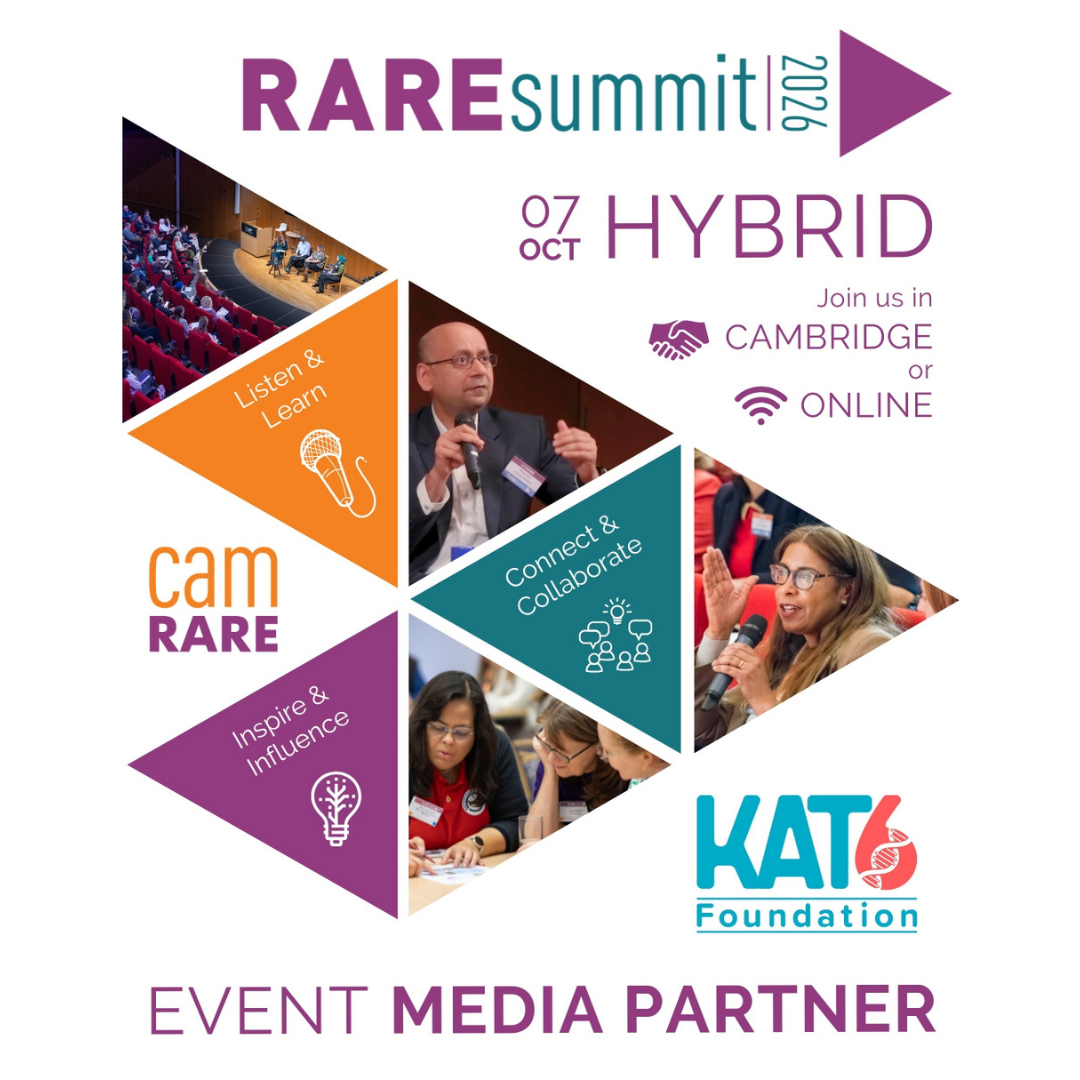
The KAT6 Foundation has events all year long, all across the nation! See our upcoming events below:
See All Events